

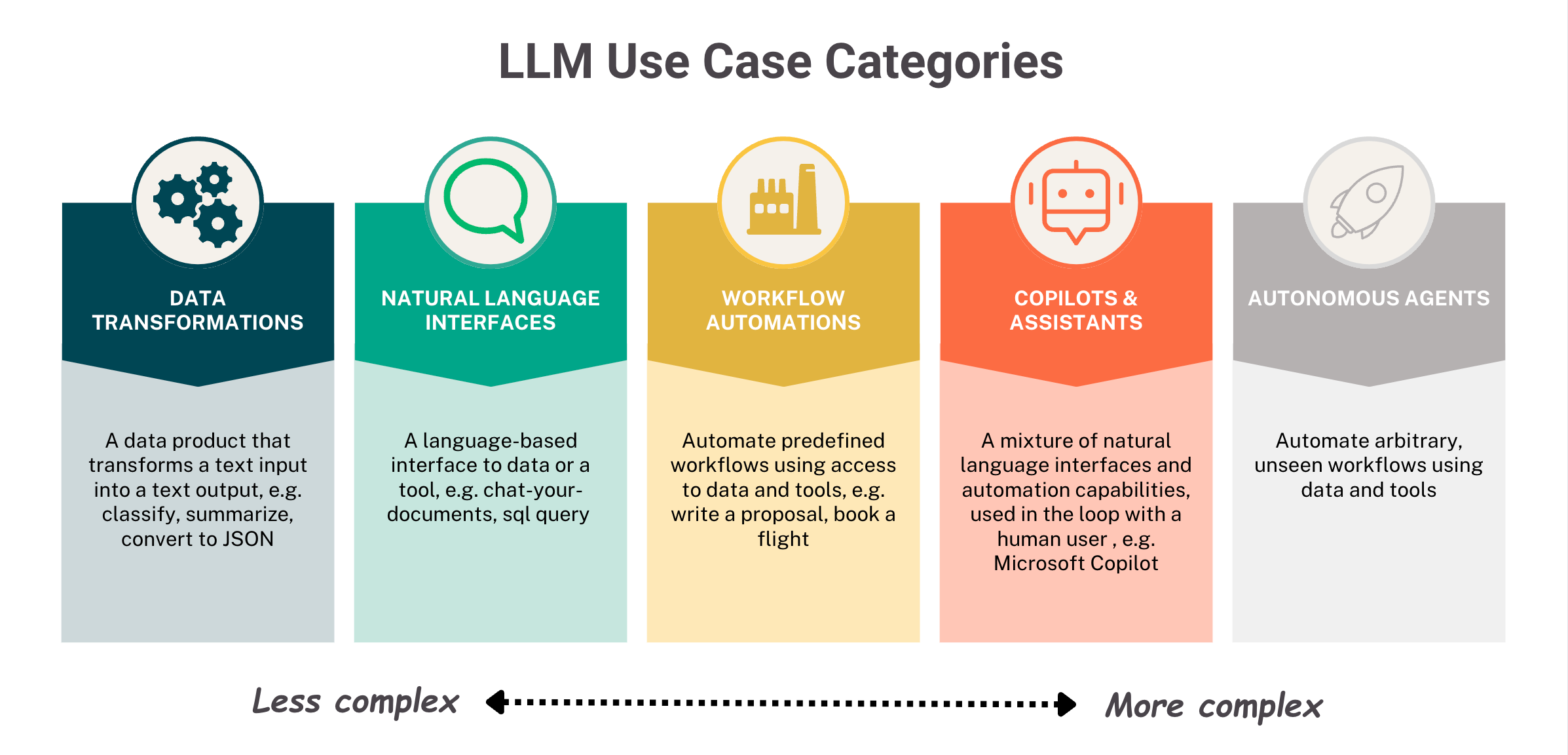
Agentic AI represents the next evolution of artificial intelligence — systems that don’t just respond, but plan, decide, and act autonomously toward business goals. As enterprises move beyond chatbots and copilots, agentic systems are becoming the backbone of scalable, intelligent operations.
Here are seven Agentic AI trends that will define competitive advantage — and how your business can start implementing them today.
1. Autonomous Goal-Driven Agents
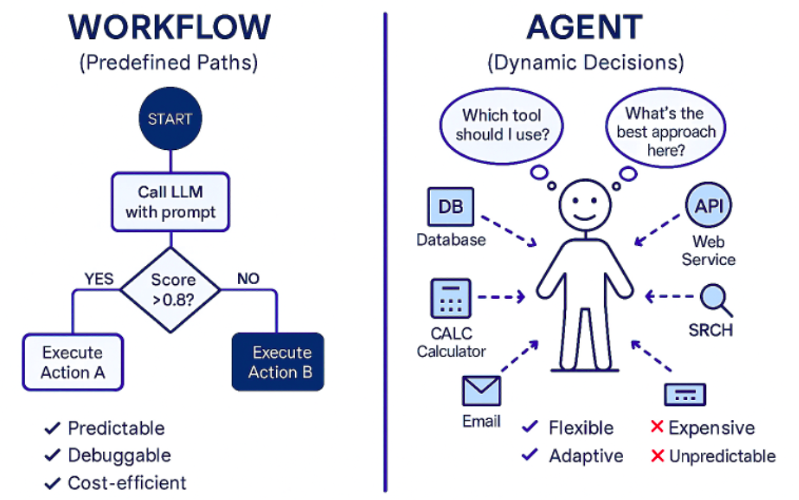
Agentic systems can accept high-level objectives (“reduce churn”, “audit invoices”) and independently break them into executable steps.
Why it matters
- Eliminates repetitive human workflows
- Operates continuously without supervision
- Scales skilled decision-making
Implementation
- Start with a bounded task
- Use planners + tool executors
- Add human approval in early stages
2. Multi-Agent Collaboration
Instead of one large agent, enterprises are deploying teams of specialized agents — planner agents, validator agents, executor agents — working together.
Why it matters
- Improves accuracy and fault tolerance
- Mirrors real organizational structures
Implementation
- Assign agents clear roles
- Use message-passing or shared memory
- Introduce a supervisor agent for arbitration

3. Multimodal Agentic Intelligence
Modern agents reason across text, images, video, audio, and sensor data — enabling real-world understanding.
Why it matters
- Real environments are multimodal
- Improves situational awareness and accuracy
Implementation
- Use separate perception models
- Fuse outputs into a shared reasoning layer
- Keep inference close to the data source

4. Tool-Using Agents (Action-Oriented AI)
Agentic AI becomes truly valuable when agents can invoke real tools — APIs, databases, workflows, or infrastructure.
Why it matters
- Moves AI from insight to execution
- Enables closed-loop automation
Implementation
- Expose tools through safe APIs
- Define strict permission boundaries
- Log every action for auditability
5. Long-Term Memory & Context Awareness
Agentic systems maintain memory across sessions — learning user preferences, historical decisions, and organizational context.
Why it matters
- Enables personalization
- Improves decision continuity
Implementation
- Use vector databases for semantic memory
- Separate short-term and long-term memory
- Apply retention and compliance rules

6. Edge-Deployed Agentic Systems
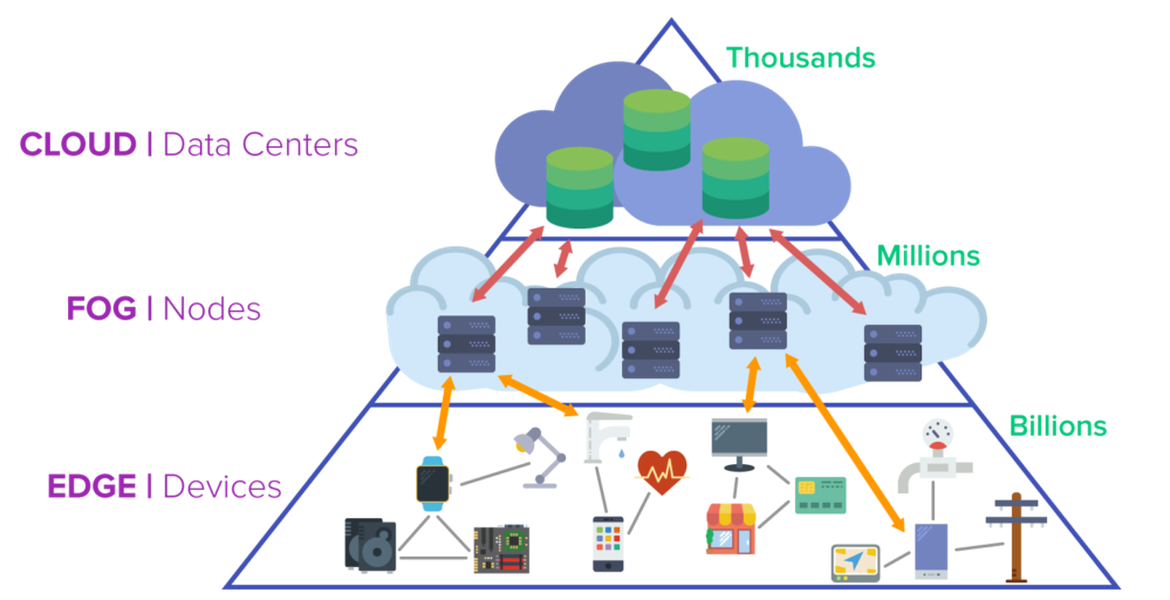
Enterprises are deploying agents at the edge — closer to cameras, machines, and vehicles — instead of relying solely on the cloud.
Why it matters
- Low latency
- Privacy-preserving
- Works even offline
Implementation
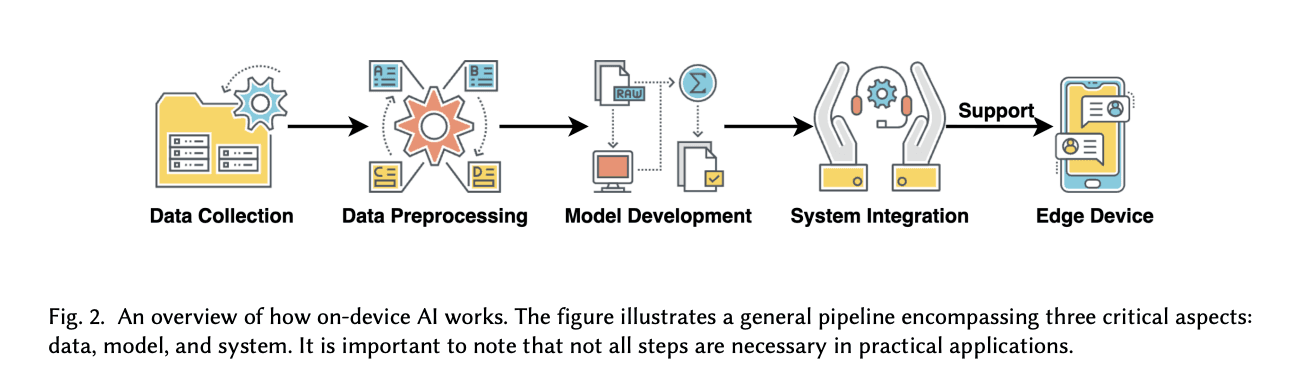
- Run lightweight inference models on-device
- Sync insights with the cloud
- Design for intermittent connectivity
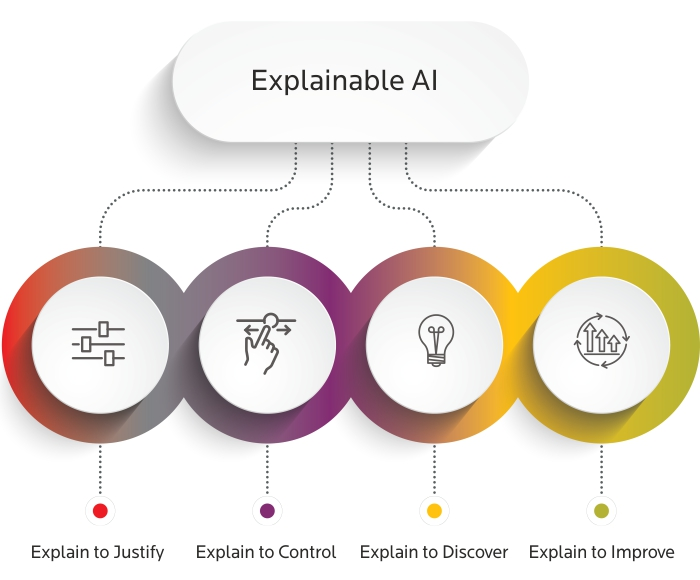
7. Governance, Explainability & Human Oversight
Agentic AI must be auditable, explainable, and controllable to meet enterprise and regulatory standards.
Why it matters
- Builds trust
- Ensures compliance
- Reduces operational risk
Implementation
- Log reasoning and actions
- Add confidence thresholds
- Route critical decisions to humans
Enterprise Implementation Roadmap
Phase 1: Identify a single high-value workflow
Phase 2: Build a sandboxed agent with limited tools
Phase 3: Introduce memory and multi-agent coordination
Phase 4: Deploy with governance and monitoring
Phase 5: Scale across departments
Final Thoughts
Agentic AI marks the transition from AI as a tool to AI as an autonomous workforce.
Enterprises that invest early — with strong architecture, safety, and governance — will define the next decade of intelligent automation.
At NiDA AI, we architect agentic systems that operate securely, autonomously, and at scale — from edge devices to enterprise platforms.
